 Never miss an auction
Never miss an auction
Never miss an auction
♦ ♦ ♦ ♦


A light oak twin pedestal desk with leatherette skiver, three frieze drawers over three drawer pedestals, 68cm x 138cm x 77cm, together with a 'rise and fall' oak stool. (2)
about Lot 285
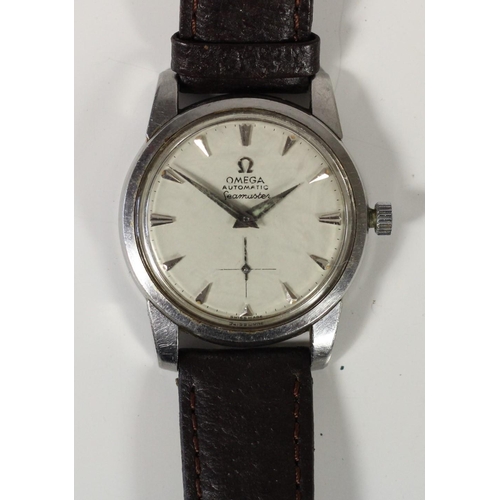
Omega Seamaster, a stainless steel automatic gentleman's wristwatch, c.1958, with subsidiary seconds dial, the 19 jewel Cal 491 movement numbered 16662321, the case numbered 2875-1, 34mm.
about Lot 51
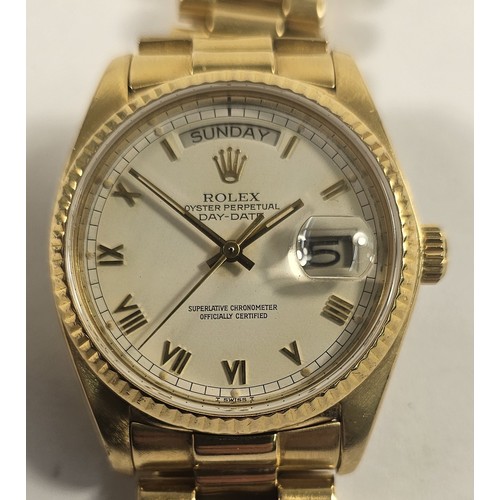
Rolex Oyster Perpetual Day-Date, an 18K gold automatic gentleman's wristwatch, c. 1982, model 18038, serial number 6653971, white dial with applied Roman numerals, day aperture at 12, date aperture at 3, outer seconds track, gold pencil hands with lume inserts, centre seconds hand, gold fluted bezel, signed Rolex, to an 18K gold President bracelet with signed Rolex foldover clasp, numbered 8385, no case, box, London Hilton Jewellers Rolex guarantee dated 8.10.82, Oyster booklet, and swing tag
about Lot 219A
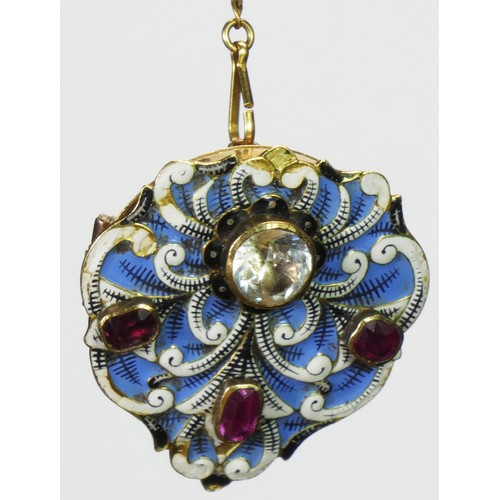
Carlo & Arthur Giuliano, an unusual gold, enamel, garnet and paste brooch, c.1895-1914, the typical blue, white and black enamel surrounding a collet set paste and three garnets, C&AG tab, 29 x 31mm, 11gms. The back turns and is removeable, presumably to contain an adjustable chain to a fob watch beneath. Upon the death of Carlo in 1895 his sons, Carlo Joseph and Arthur Alphonse inherited the business and used the C&AG mark. The firm remained viable until Arthur’s suicide in 1914 resulting in the closure of the business.
about Lot 65
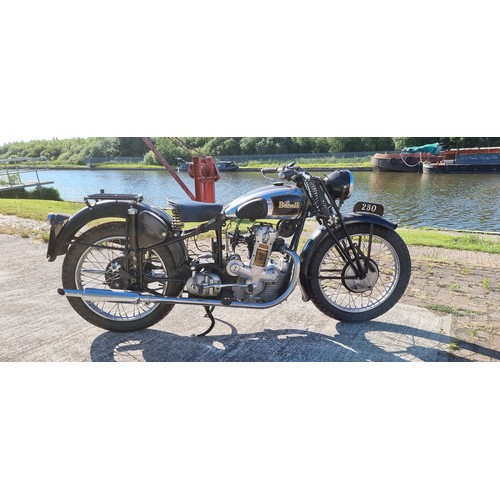
1938 Benelli M37 250 TNE, 248cc. Registration number 741 XUN. Frame number 25-10352. Engine number 4TNE 10352. Benelli was established in Pesaro, Italy in 1911, in 1921 Benelli built its first motorcycle, using their own 98 cc engine. Giuseppe Benelli was inspired by a theoretical study of an engine by Edward Turner published in 1925 by a French magazine and produced a 175 cc 4-stroke with "cascade" distribution and overhead camshaft of 1927, it soon became the "trademark" of the Pesaro house. The five cylindrical gears with straight teeth of the distribution (one of the crankshaft, three idle, one of the camshaft) were inserted (cascade) in a thin aluminum folder placed on the right side of the engine, on the top of which was mounted the "castelletto" of the distribution with the camshaft and barbells annexed. The whole was fixed to the engine head not rigidly, but leaving the coupling with a degree of freedom. This solution was patented in 1927 and began the commercial and sporting success of Benelli, which lasted until the outbreak of World War II. Two years after that, using a version specially designed competition engine, Tonino "the Terrible" took to the track. Riding a Benelli 175, Tonino Benelli won four Italian championship titles in five years: in 1927, 1928 and 1930 with engine single overhead camshaft (SOHC) version, and in 1931 with the double overhead camshaft (DOHC) version. After the commercial and sporting successes achieved with its 175cc model, the Pesaro-based company Benelli decided, in 1936, to create a more powerful 250 cc model. The Benelli 250 TN (Turismo Normale) met with good success, especially with the acquisition by the Royal Army of the military version M37, used for service purposes such as escorts and relay, while for the motorization of the fighting troops the most powerful were preferred Benelli 500 VLM . In 2003 Roy Steans of Surrey obtained a dating certificate from the Benelli Club for this machine, there are photographs on file pre restoration with and Italian license plate 1165 AG, for Agrigento, Sicily. In 2008 a VMMC dating certificate was obtained by Raymond Meggett of Lincoln as well as an MOT and our vendor purchased it, in a restored condition, in 2014. Little used over the years, this rare machine will require recommissioning before use. Sold with the V5C, 2008 MOT, two dating certificates and various paperwork.
about Lot 639
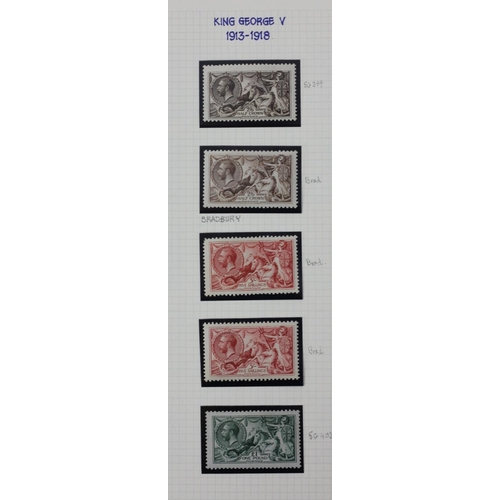
George V 1913-18, five seahorses, mint, to include £1, together with 15 used, to include £1 Waterlow.
about Lot 199
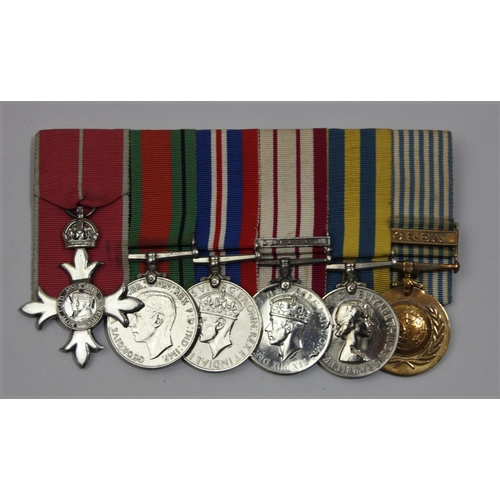
A group of six, awarded to Lieut. J.W. Wickham Royal Navy, MBE, Defence, War 1939-45, General Service with Malaya bar, Korea and United Nations with Korea bar.
about Lot 103
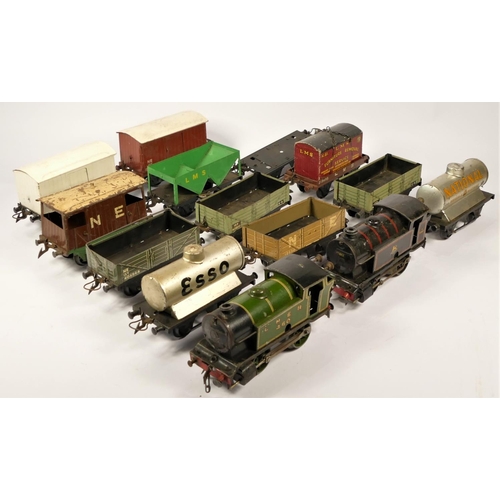
Two suitcases of 'O' gauge clockwork model railway items, to include track, engines, wagons, coaches and station accessories, together with a small 'OO' gauge Tri-Ang clockwork train set. suitcases are included with contents
about Lot 7
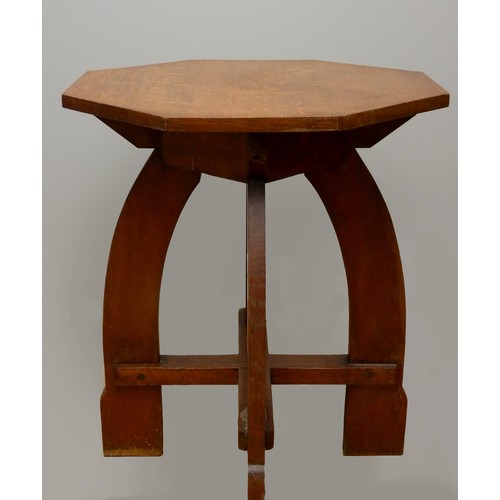
An Arts & Crafts oak side table, octagonal shaped top with lower cross member, raised on four curved legs. 70cm tall, 61cm diameter.
about Lot 249
We have had many satisfied customers over the years, that have used our saleroom services to sell their valued possessions.
View testimonials
.JPG)
.JPG)